Things to Do in Gdansk
Amber, salt air, and a city that rebuilt itself from old photographs
Top Things to Do in Gdansk
Find activities and tours you'll actually want to do. Book through our partners -- no booking fees.


Plan Your Trip
Essential guides for timing and budgeting
Climate Guide
Best times to visit based on weather and events
View guide →Day Trips
The best excursions and nearby destinations worth the journey
Explore day trips →Where to Stay
Best neighbourhoods, hotel picks, and booking tips
Find hotels →Travel Insurance
What's required, what coverage matters, and how to get a quote
Read guide →What to Pack
Climate-specific gear, essentials, and what to leave at home
See packing list →When Should You Visit Gdansk?
Tap a month for weather, crowds, and highlights
View full year-round climate guide →


Your Guide to Gdansk
About Gdansk
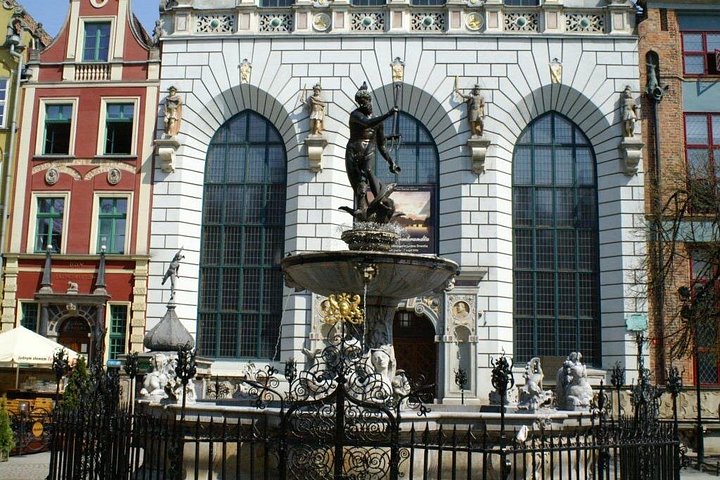
The Baltic shouts Gdansk before you see it. Salt air slashes through the train window past Tczew, sharp, clean, carrying the iodine tang that clings to everything in this port where the Motława meets the sea. Step onto Długi Targ and color hits first: tall, narrow merchant houses in terracotta, sage green, pale gold, facades so crisp they feel original.
They are not. Bombs flattened ninety percent of Gdansk by 1945. What you walk through is one of Europe's most defiant architectural acts, a center rebuilt from photos, oil paintings, and memories of residents who refused erasure. The illusion is so perfect most visitors never guess, triumph or trick depending on your mood.
Wander Mariacka Street. Amber sellers display Baltic resin the color of dark honey in medieval doorways tight enough to make you turn sideways. Cobbles underfoot feel centuries old yet reflect only decades of relentless feet. The medieval Crane, the Żuraw, still leans over the Motława as if waiting for cargo that stopped two centuries ago.
Behind it, St. Mary's Church fills half a block with red brick, the largest brick church on earth, its nave so vast your footsteps echo before silence swallows them. Gdansk runs cheaper than Kraków and draws fewer crowds, though Thursday-to-Sunday stag parties turn waterfront bars loud and beery. Come on a Tuesday in late September.
You will own the Long Market, light low and amber, cafés along Długa laying out wool blankets against the first Baltic chill.
Travel Tips
Transportation: Gdansk's trams and buses blanket the city. The SKM commuter train links Gdańsk, Sopot, and Gdynia in under forty minutes. Download Jakdojade before you land. It handles real-time schedules, route planning, and mobile tickets for all three systems. A 24-hour pass gives unlimited travel across the Tricity at a fraction of Western European prices. The trap is airport taxis. Drivers at Lech Wałęsa sometimes quote several times the metered fare to new arrivals. Use FreeNow instead. Or walk to the SKM platform inside the terminal. It drops you in the old town in thirty minutes.
Money: Poland uses the złoty, not the euro. The current rate makes the country one of Europe's better deals for dollar or euro visitors. Cards work almost everywhere, even market stalls, though a pierogi window or tram machine may demand cash. Exchange at a kantor in town, never at airport or hotel desks where the spread quietly eats your money. When a terminal asks if you want to pay in złoty or your home currency, always pick złoty. That convenience conversion pads the rate by several percent in the merchant's favor every time.
Cultural Respect: Gdansk wears its history on its sleeve. The European Solidarity Centre at the old shipyard gates chronicles the movement that helped end communist rule in Europe. Polish visitors treat it with the quiet gravity of a memorial, not a museum. Cover shoulders and knees in churches, St. Mary's, where bare skin draws pointed looks. Learn dzień dobry and dziękuję. Poles notice and warm up fast. At sit-down restaurants, round up or leave a modest tip. Directness is the Polish style, not rudeness. Do not mistake brevity for hostility.
Food Safety: The smoked fish at Hala Targowa near the Motława is worth setting your alarm. Arrive before the lunch crowd. Vendors sell whole mackerel smoked over alder until the skin turns coppery and the flesh flakes apart, oily and salt-kissed. Pierogi here are handmade and stuffed with combos you will not find abroad: wild mushroom and sauerkraut, buckwheat and white cheese, seasonal blueberry. Tap water is safe throughout Gdansk. For sit-down meals, streets behind Mariacka toward the river feed locals. Restaurants lining Długi Targ charge tourist prices and shrink portions. If the menu is in four languages with photos, keep walking.
When to Visit
Gdansk's weather splits into two high seasons and two that reward a different kind of traveler. Summer, roughly June through August, brings temperatures between 18 and 25°C (64 to 77°F), daylight that stretches past ten at night, and beaches at Stogi and Brzeźno packed with locals grilling kielbasa on portable barbecues while kids wade into the shallow, surprisingly warm Baltic.
This is also when accommodation prices climb steeply and the old town's narrow lanes get shoulder-to-shoulder on weekends. St. Dominic's Fair, running three weeks from late July into August, is one of Europe's largest open-air markets, over a thousand stalls stretching from the Main Town Hall to the waterfront, selling everything from handmade amber to antique military surplus. Worth timing a trip around if you can handle the crowds.
September and early October might be Gdansk's ideal window. Temperatures settle to a comfortable 12 to 18°C (54 to 64°F), hotel rates drop noticeably from their summer peaks, and the light turns golden in a way that makes the brick facades along the Motława look like they are glowing from inside. The trade-off is shorter days and the occasional Baltic rain squall that sweeps in without warning, so carry a waterproof layer.
Winter is cold, grey, and honest about it. December through February brings temperatures between minus 2 and 3°C (28 to 37°F), with biting winds off the Baltic that find every gap in your jacket. The upside: Gdansk's Christmas market on Targ Węglowy is one of Poland's finest, smaller and less commercialized than Kraków's, with mulled wine and oscypek, smoked sheep cheese grilled until the edges char, served from wooden stalls under strings of warm light.
Hotels bottom out on price, and attractions like the European Solidarity Centre and Oliwa Cathedral's organ recitals are nearly empty.
Spring, March through May, is unpredictable: mild and clear one day, sleeting the next. By late April the worst is typically past, tulips appear in the window boxes along Długa, and the waterfront cafés cautiously set out their first outdoor tables. Budget travelers do best arriving in November or early March, when the city is quiet and rates are at their lowest, though you are gambling on weather that may keep you indoors more than you planned.
More Ways to Experience Gdansk
Tours, day trips, and local experiences curated by on-the-ground operators.
Didn't see anything interesting yet?
Browse Viator's full catalog of tours, day trips, food experiences, and private guides in Gdansk.
See All Gdansk Tours on Viator