
Things to Do in Gdansk in September
September weather, activities, events & insider tips
Shoulder Season · Good Value
September Weather in Gdansk
Temperature, rainfall and humidity at a glance
65°F (18°C)
High Temp
50°F (10°C)
Low Temp
2.5 inches (64 mm)
Rainfall
70%
Humidity
⚠ Baltic coastal storms can arrive abruptly in late September, bringing sustained winds of 50 to 70 km/h (31 to 43 mph) off the water. These make the Sopot Pier and exposed waterfront promenades uncomfortable or temporarily closed. They can delay or cancel harbor ferry services to Westerplatte and Hel Peninsula. Check marine forecasts if you plan water-based activities in the last ten days of the month.
⚠ Morning fog along the Motlawa River and the harbor can reduce visibility significantly in the first two hours after sunrise, in the last two weeks of September. This delays river tours. It affects early-morning photography plans. The fog typically burns off by 9 to 10 AM. Plan accordingly.
Is September Right for You?
Weigh the advantages and considerations before booking
Advantages
- + The summer crush evaporates. By mid-September the cruise ships that dump thousands of day-trippers onto Dluga Street have largely moved on. You can stand at the Neptune Fountain without someone's selfie stick jabbing your ear. Mariacka Street, the narrow amber-lined lane where shoulder-to-shoulder foot traffic is the July norm, settles into a pace where you can stop. Look up at the gargoyles draining off the tenement facades. Hear the clinking of amber beads from the workshop doorways. Hotel rates tend to drop noticeably from the August peak. Restaurant terraces along the Motlawa River that required reservations two weeks out suddenly have open tables at sunset.
- + The walking weather is close to ideal. Daytime highs around 18°C (65°F) mean you can spend six or seven hours on your feet. Explore the Long Market. Climb the 400-odd steps of St. Mary's Church tower. Cross the bridges over the Motlawa without arriving back at your hotel drenched in sweat. There is a clarity to September light in this latitude. A low golden angle turns the painted merchant houses along Dlugi Targ into something a July noon flattens out. Mornings carry a slight chill that wakes you up. By midday you are in shirtsleeves. It is, by most measures, the most comfortable month to see the city on foot.
- + The cultural season begins in earnest. The Baltic Opera House, the Polish Baltic Philharmonic in the old Gdansk Power Station, and the Gdansk Shakespeare Theatre all launch their autumn programs in September. These first weeks tend to bring premieres and marquee performances designed to draw attention. The Philharmonic's home on Olowianka Island, with its brick-and-glass concert hall overlooking the water, is worth visiting for the architecture alone. The opening-season programming is when they bring their strongest repertoire. Time it right. You might catch an organ recital at Oliwa Cathedral, where the 7,896-pipe instrument and the moving angel figures above the organ case make even a rehearsal worth hearing.
- + September 1 carries singular historical weight here. The first shots of the Second World War were fired at Westerplatte, the small peninsula at the mouth of the Gdansk harbor, on that date in 1939. Annual commemorations draw veterans, diplomats, and Polish citizens to the monument. The atmosphere is solemn, specific, and unlike anything you will encounter on a typical tourist itinerary. The rest of the month carries the echo of that history through the European Solidarity Centre at the old Lenin Shipyard, where the Solidarity movement began in 1980. September's thinner crowds let you move through the permanent exhibition at your own pace. It demands this.
Considerations
- − The Baltic Sea is finished for swimming by mid-month. Water temperatures off Brzezno and Jelitkowo beaches, which hover around 17°C (63°F) in early September, drop toward 14°C (57°F) by the last week. The hardiest Poles still wade in. If beach swimming was a priority, you have missed the window. The beaches themselves remain attractive for walking, when the wind picks up and the sand stays empty. This is not a swim-and-sunbathe month.
- − Rain arrives without much warning and can settle in for a full day. The 10 rainy days across the month sound manageable on paper. Gdansk rain in September is not the quick tropical burst that clears in twenty minutes. It can be a low gray ceiling that drizzles from morning through evening, turning the cobblestones on Mariacka Street slick and making an outdoor terrace dinner a gamble. You will need genuine indoor backup plans. Not afterthoughts.
- − Daylight contracts faster than you expect. By late September, sunset comes before 7 PM. You lose roughly two hours of evening light compared to July. If you are a photographer or someone who likes long post-dinner strolls in daylight, you will feel the squeeze. The flip side is that the city's nighttime illumination along the Motlawa waterfront is atmospheric. The facades are lit in warm amber tones that reflect off the water. The shorter days do compress your outdoor sightseeing window.
Best Activities in September
Top things to do during your visit
September settles over Gdansk like a long exhale after summer's compressed energy. The Baltic air sharpens, highs hovering around eighteen degrees, and the low-angle light turns the reconstructed merchant houses along Długi Targ into something closer to oil paintings than architecture, amber-gold façades glowing against slate-grey cloud banks that roll in from the Gulf of Gdansk. Mornings carry a marine chill, the kind that smells of brine and damp stone, and by late afternoon the warmth is gentle enough to sit outdoors along the Motława River without the sticky humidity that marks July and August. Rain arrives on roughly a third of September's days, usually in short, decisive showers rather than daylong curtains, so a compact umbrella earns its luggage space. The crowds thin noticeably once Polish schools resume in the first week of the month, and the city's rhythm shifts from tourist-facing to residential. Gdansk's Old Town, which in high summer can feel like a single-file corridor of tour groups, opens up enough in September that you can linger under the Green Gate or trace the canal-side granaries at your own pace, hearing your own footsteps on the cobblestones rather than the shuffle of a crowd. Restaurants along Mariacka Street, the one paved in rough cobbles and lined with terraced stoops selling amber jewelry, begin closing their outdoor seating later in the month, so the first two weeks are the window for eating grilled Baltic herring at a sidewalk table while the evening cools around you. The beaches at Jelitkowo and Brzezno empty out, leaving wide stretches of pale sand where the only sounds are gulls and the hiss of shallow surf retreating over packed sand. For anyone who wants Gdansk with its full visual grandeur but without the elbow-to-elbow density, September is the pivot point, still warm enough for everything, quiet enough to absorb it.

Guided Winter Kayak Tour in Gdańsk & Hot Chocolate Treat
adventurePaddling a kayak through the industrial waterways behind Gdansk's shipyard district rewrites your understanding of the city entirely. From the water, you pass beneath rusted iron bridges and alongside brick warehouse walls streaked with moss, the slap of your paddle echoing off surfaces that once loaded grain bound for Amsterdam and London. The tour finishes with thick, grainy hot chocolate served dockside, the kind made from real melted chocolate, not powder, warming your hands through the cup while your shoulders still hum from the effort.
This is Gdansk from an angle almost no visitor sees, its working waterways, post-industrial edges, and shipyard silence, experienced at the pace of a single paddle stroke.
Insider tip: Book the late-afternoon slot if available. The low September sun backlights the cranes of the old shipyard and the water turns copper, which makes the return leg feel cinematic.
This month: September's cooler air, lows around ten degrees, means the water radiates a noticeable chill; a windproof layer over a base layer keeps the paddle comfortable, and the hot chocolate at the end earns itself honestly.

Undercover City Games: Gdynia
otherGdynia sits twenty minutes north of Gdansk by commuter rail, a port city built almost entirely in the interwar period, and this self-guided game sends you through its modernist grid solving clues tied to real locations, the Sea Towers, the Emigration Museum's waterfront, the angular white buildings along Świętojańska Street. The format works because Gdynia's architecture is so visually coherent: stripped-down functionalism, curved balconies, wide boulevards that smell of linden trees and sea salt, all of it readable as a single design ambition once you start paying attention. You move at your own pace, phone in hand, decoding prompts that force you to look at cornerstones, plaques, and doorways you would otherwise walk past.
It turns a neighboring city most visitors skip into a three-hour puzzle that teaches you more about interwar Polish ambition than any museum panel.
Insider tip: Start at the Gdynia Główna train station and work southward toward the waterfront so you finish near the restaurant strip along Bulwar Nadmorski, where you can eat smoked fish overlooking the harbor.

Malbork Castle and Westerplatte Tour with Lunch
guided_experienceMalbork Castle is the largest brick structure on earth, and standing in its central courtyard you feel the weight of that claim physically, red-brown walls rising on every side, the air cool and faintly musty even on a warm day, the sheer volume of fired clay overhead blocking the sky into a narrow strip. This full-day tour pairs it with Westerplatte, the peninsula where the first shots of the Second World War were fired on the first of September 1939, now a quiet parkland of crumbling bunkers half-swallowed by birch trees and wild grass. Lunch is included between the two stops, which matters because the drive from Gdansk to Malbork runs about an hour each way and the castle itself demands at least two hours of walking through vaulted halls that echo with every footfall.
Two sites that define Gdansk's region, one medieval, one twentieth-century, connected in a single day with transit and a meal handled so you spend energy on looking, not logistics.
Insider tip: Wear shoes with grip. The castle's brick floors are polished smooth by centuries of foot traffic and can be slick after rain, which September delivers regularly.
This month: Westerplatte carries particular weight in September, the attack that began there occurred on the first of the month, and the site's memorial draws quiet, reflective visitors in the opening days of the month.

Gdansk Unlimited Beer Tour by GolfBuggy & Highlights & LiveGuided
foodA golf buggy is an absurd way to tour a medieval city, and that is precisely the point. This guided ride threads through Gdansk's Old Town, past the towering brick mass of St. Mary's Church, along the Motława waterfront where the wooden Crane creaks on its medieval pivots, and into neighborhoods behind the tourist spine where local brewpubs operate in converted cellars that smell of malt and damp oak. The unlimited beer component means you are tasting as you go, sampling Gdansk's craft output, wheat ales, Baltic porters, sour cherry lambics, at stops the guide has curated rather than wandering blindly. The buggy's open sides let the cool September air counter the warmth of each tasting, and the guide fills the transit stretches with stories that stick because you are slightly loosened up.
It covers more ground than a walking tour and more flavor than a pub crawl, and the buggy format means nobody has to navigate cobblestones after the fourth tasting.
Insider tip: Eat a solid meal before you go, the tastings accumulate, and the Baltic porter stops tend to be higher in alcohol than the lighter wheat ales served early in the route.

First Time in Gdańsk? Private Tour of Old Gdańsk's Highlights
private_tourThe density of Gdansk's Old Town rewards a guide who can sequence it, and this private tour does exactly that, moving you through the Long Market's painted townhouses, past the Neptune Fountain where spray mists your face on a breezy day, into the dim interior of the Artus Court where Hanseatic merchants once brokered grain deals under a barrel-vaulted ceiling that smells faintly of aged wood and candle wax. Because it is private, the pacing bends to your interests: linger at the European Solidarity Centre if the Solidarność story grips you, or cut through the backstreets behind Mariacka where cats sleep on windowsills above amber workshops and the clatter of a jeweler's tools drifts from open doors. The guide contextualizes what you are seeing, why these houses are reconstructed, what the crests above the doorways mean, how the canal system worked when Gdansk was one of Europe's wealthiest ports.
A private guide in a city this layered means you leave with an understanding of Gdansk's logic, its trade routes, its destructions, its rebuildings, instead of a collection of photographs.
Insider tip: Ask the guide to include the short detour to the Royal Chapel, tucked behind St. Mary's; it is one of the only Baroque structures in a city that is otherwise overwhelmingly Gothic and Renaissance, and most group tours skip it entirely.

Sopot Private City Walking or Bike Tour with a local architect
walking_tourSopot is Gdansk's resort neighbor, reachable in twelve minutes by commuter train, and seeing it with a working architect reframes every building you pass. The guide reads façades the way a sommelier reads a wine list, pointing out where Art Nouveau ironwork was restored and where it was faked, which villas along Bohaterów Monte Cassino were built as summer sanatoriums and which as year-round residences, and why the famous wooden pier extends at exactly the angle it does relative to the prevailing Baltic current. On the bike option, you cover the leafy residential streets south of the main strip, where the air smells of pine resin from the dense parks separating Sopot from Gdansk, and the quiet is startling given how close you are to the coast. September is one of the last comfortable months for the cycling route. The canopy is still full but beginning to turn, and the sidewalk cafés along the pedestrian boulevard still have their chairs out.
An architect's eye turns a beach-resort town into a masterclass in how cities negotiate beauty, function, and the corrosive force of salt air, you will never look at a seaside building the same way.
Insider tip: Choose the bike option if you are reasonably fit. The walking route covers the town center thoroughly. But the bike version reaches the hillside neighborhoods where the most interesting private villas hide behind hedgerows, inaccessible on foot without adding an extra hour.
This month: September's mild temperatures and still-green tree cover make the bike option viable and visually rich. By October the wind off the Baltic picks up enough to make cycling along the waterfront unpleasant.
Where to Stay in Gdansk in September
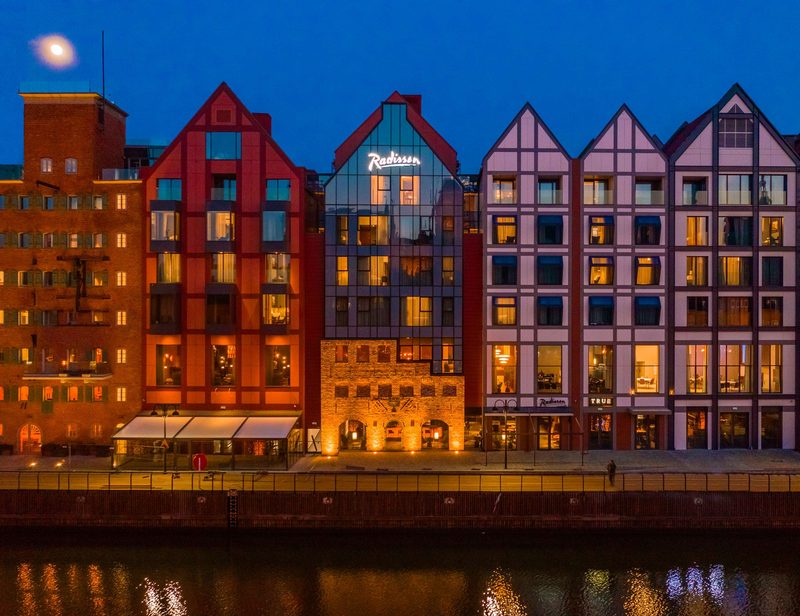
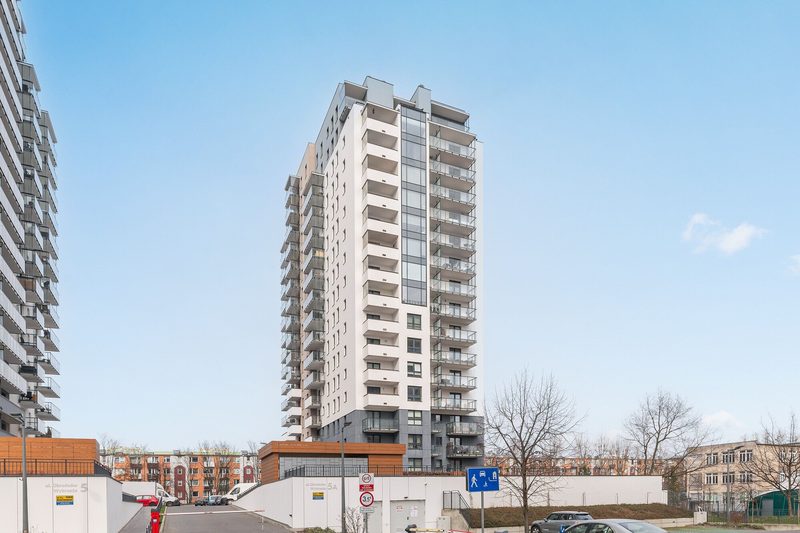
Hand-picked hotels across price tiers for September travellers.
Packing Checklist
Bookmark this page — your progress is saved between visits
Need the full list with shopping links?
Climate-specific gear, brand recommendations, and what to leave at home.
View Gdansk Packing List →Essential Tips
Insider knowledge and common pitfalls to avoid
Insider Knowledge
The amber sold on Mariacka Street varies wildly in quality. The ability to spot the difference is not intuitive. Genuine Baltic amber is warm to the touch, lightweight, and often contains tiny air bubbles or, rarely, insect inclusions. The workshops with artisans visibly working behind glass, cutting and polishing on-site, tend to sell higher-quality pieces than the stalls with pre-packaged trays. If a piece feels heavy and cold, it is likely copal or synthetic resin. The Museum of Amber in the old Torture Tower on Targ Weglowy shows the full range of the material. It calibrates your eye before you buy anything.
The SKM commuter train connecting Gdansk, Sopot, and Gdynia is the single most useful piece of infrastructure for visitors. It remains underused by tourists who default to taxis or organized transfers. Trains run every few minutes during the day. The ride from Gdansk Glowny to Sopot takes roughly 20 minutes. The fare is negligible. Buy a multi-ride card at any station kiosk. This one piece of knowledge saves hours of sitting in Tri-City traffic, which in September is lighter than summer but still congested on the coastal road.
The Gdansk Shakespeare Theatre sits near the Old Town, a brick building whose retractable roof opens to the sky. Its autumn season starts in September. Performances range from classic Shakespeare to contemporary Polish drama. The open-roof shows, weather permitting, put you under the same sky the original Globe audiences sat under. In September the evening air adds a physical layer to the experience that climate-controlled theaters cannot match. Check their program. Book opening-week performances, which tend to sell quickly to locals who treat it as a cultural event.
Zurek is the sour rye soup served in a bread bowl at many Old Town restaurants. It defines the local cold-weather pivot. September is when it reappears on menus after the summer hiatus. The soup is made with a fermented rye starter that gives it a tang somewhere between sourdough and yogurt, thickened with potato and studded with chunks of white sausage and halved hard-boiled eggs. The best versions have a smokiness from the sausage that lingers. Ask for it at places where the kitchen is visible. Skip the ones with laminated photo menus on the sidewalk.
Avoid These Mistakes
Treating Gdansk as a day trip from Warsaw is a mistake. The train takes about five and a half hours each way. Even the flight, with airport transfers on both ends, eats most of a day. Gdansk deserves a minimum of three nights. Four or five if you want to explore Sopot, Gdynia, and take a day trip to Malbork Castle. Compressing it into a single day means you will see the Long Market, take a photo of the Neptune Fountain, and leave without understanding what makes the city singular.
Do not skip the European Solidarity Centre because it looks like a modern museum and you came for medieval architecture. The Solidarity story, the 1980 strikes, the underground press, the Round Table negotiations, is Gdansk's defining twentieth-century narrative. The exhibition is among the best-designed museum experiences in Europe. Allow two to three hours. Go in the morning when your attention is sharpest. The building itself, designed to evoke a ship's hull in weathered steel, is a piece of architecture worth seeing from the outside even if you somehow resist going in.
Do not assume September weather will hold steady across the month. Early September can still deliver warm, sunlit days that feel like summer's afterglow, with highs touching 20°C (68°F) and calm Baltic winds. Late September can feel like early November, with raw wind, persistent drizzle, and highs barely reaching 14°C (57°F). Packing for one version and getting the other leaves you either overdressed and sweating or underdressed and miserable on the Sopot Pier. Pack for both. Check the forecast daily.
Ready to plan your trip to Gdansk?
Now that you've got the research covered, here's where to go next.
Explore More Activities in Gdansk
Didn't see anything interesting yet?
Browse Viator's full catalog of tours, day trips, food experiences, and private guides in Gdansk.
See All Gdansk Tours on Viator